
What Are the Warning Signs of RSV in Babies and Older Adults?
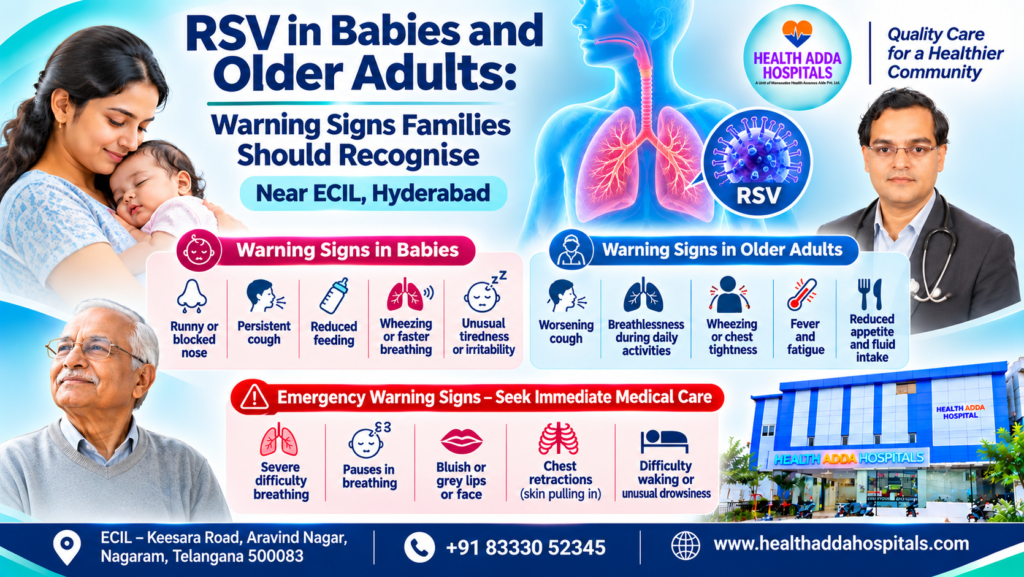
Respiratory Syncytial Virus (RSV) is a common respiratory infection that usually causes cold-like symptoms, including a runny nose, cough, sneezing and fever. However, RSV can cause more serious illness in young infants, particularly babies below six months, premature babies, older adults and people with underlying heart, lung or immune conditions. In babies, warning signs include reduced feeding, fewer wet nappies, rapid breathing, chest retractions, unusual sleepiness and pauses in breathing. Older adults may experience worsening cough, wheezing, breathlessness, fatigue, reduced appetite or deterioration of existing asthma, COPD or heart disease. Severe breathing difficulty, bluish lips, pauses in breathing, confusion or collapse require immediate emergency medical attention. Families should seek medical advice when symptoms worsen or fluid intake and breathing become concerning.
When Should You Seek Medical Care for RSV?
Seek medical assessment if a baby or older adult develops:
- Persistent or worsening cough.
- Wheezing or faster breathing.
- Reduced feeding or fluid intake.
- Fewer wet nappies or reduced urination.
- Unusual tiredness or reduced activity.
- Worsening asthma, COPD or heart-related symptoms.
- Signs of dehydration.
Emergency warning signs: Severe breathing difficulty, pauses in breathing, bluish or grey lips, significant chest retractions, confusion, collapse or difficulty waking require immediate emergency medical care.
Key Takeaways
- RSV can affect people of all ages, but severe illness is more likely in vulnerable groups.
- Very young infants, premature babies and children with certain underlying conditions require particular attention.
- Poor feeding and changes in breathing may be important early warning signs in babies.
- Older adults with asthma, COPD, heart disease or weakened immunity may experience complications.
- RSV can cause bronchiolitis and pneumonia.
- Reduced fluid intake and urination can indicate dehydration.
- Severe breathing difficulty, pauses in breathing and bluish lips are emergency warning signs.
- Families can reduce transmission through hand hygiene, respiratory etiquette and avoiding close contact when unwell.
1. Introduction: Why Should Families Understand RSV Warning Signs?
A runny nose, cough or mild fever is often considered an ordinary seasonal illness. In many cases, respiratory symptoms improve with appropriate supportive care.
However, certain respiratory infections can affect the smaller airways and lungs, sometimes leading to breathing complications.
Respiratory Syncytial Virus, commonly known as RSV, is one such infection.
RSV affects people of all ages. Many infections cause mild symptoms, but some people are at greater risk of developing serious respiratory illness.
Two groups that deserve particular attention are:
- Babies and young children, especially very young infants.
- Older adults, particularly those with existing respiratory, heart or immune-related conditions.
In babies, changes in feeding, breathing and activity may be more important than fever alone. In older adults, RSV may worsen an existing respiratory condition or contribute to pneumonia.
For families in ECIL, Nagaram, Kapra, Keesara and surrounding areas of Hyderabad, understanding these warning signs can help them decide when to seek medical advice.
This article explains how RSV may affect babies and older adults, what symptoms families should monitor and when emergency medical attention is necessary.
2. What Is Respiratory Syncytial Virus?
Respiratory Syncytial Virus is a common virus that infects the respiratory tract, including the nose, throat, airways and lungs.
It spreads between people through infectious respiratory particles, direct contact and contaminated surfaces.
Common symptoms include:
- Runny nose.
- Nasal congestion.
- Sneezing.
- Cough.
- Fever.
- Reduced appetite.
- Wheezing.
In many people, symptoms remain mild and improve without specific antiviral treatment.
However, RSV can sometimes affect the lower respiratory tract and cause:
Bronchiolitis: Inflammation of the small airways in the lungs, commonly seen in infants and young children.
Pneumonia: An infection involving the lung tissue that can affect both children and adults.
The severity of RSV varies depending on age, general health and underlying medical conditions.
3. Why Are Babies More Vulnerable to RSV?
Infants have smaller airways and developing immune systems. This can make some respiratory infections more concerning during early childhood.
RSV is an important cause of bronchiolitis and respiratory illness in infants.
The risk of severe illness is particularly important in:
- Babies younger than six months.
- Premature infants.
- Babies with chronic lung disease.
- Children with congenital heart disease.
- Children with weakened immune systems.
- Children with certain neuromuscular conditions that affect swallowing or clearing respiratory secretions.
Even a previously healthy baby can develop significant RSV illness.
Parents should therefore monitor breathing, feeding and activity rather than relying only on whether the child has fever.
4. Early RSV Symptoms in Babies
RSV symptoms may initially resemble an ordinary cold.
The infection can progress over several days, so families should watch for changes after the first symptoms appear.
4.1 Runny or blocked nose
A runny or congested nose is a common early symptom.
In young infants, nasal congestion can interfere with feeding because babies may struggle to coordinate sucking and breathing comfortably.
4.2 Cough
Coughing may develop after the initial nasal symptoms.
Some babies experience mild coughing, while others develop persistent cough associated with lower respiratory tract involvement.
4.3 Fever
Fever may occur during RSV infection.
However, some very young infants with RSV may not have a noticeable fever.
Parents should not assume that the absence of fever means the infection is harmless.
4.4 Reduced breastfeeding or formula intake
A baby may feed less frequently because of nasal congestion, tiredness or breathing difficulty.
Watch for:
- Shorter feeding sessions.
- Refusing feeds.
- Difficulty coordinating feeding and breathing.
- Reduced wet nappies.
Reduced feeding is an important warning sign because inadequate intake can contribute to dehydration.
4.5 Unusual irritability or sleepiness
Some babies may become unusually irritable, less active or more difficult to engage.
A noticeable change from the baby’s normal behaviour deserves attention, especially when accompanied by respiratory symptoms.
5. Five Important RSV Warning Signs in Babies
Parents and caregivers should pay particular attention to the following signs.
Warning Sign 1: Faster or Difficult Breathing
Observe whether the baby appears to be breathing faster than usual or working harder to breathe.
Look for:
- Rapid breathing.
- Nostrils widening with each breath.
- Grunting sounds.
- Chest or ribs pulling inward.
- Difficulty feeding because of breathing problems.
These signs may indicate increased breathing effort and require urgent medical assessment.
Warning Sign 2: Chest Retractions
Chest retractions occur when the skin between or below the ribs pulls inward during breathing.
This can indicate that the baby is using additional effort to move air into the lungs.
Significant chest retractions should not be ignored.
Warning Sign 3: Reduced Feeding
A baby who is feeding substantially less than usual may not be receiving enough fluids.
This can lead to dehydration, particularly when respiratory symptoms are accompanied by fever or increased breathing effort.
Warning Sign 4: Fewer Wet Nappies
Reduced urination can be a sign of inadequate fluid intake or dehydration.
Parents should monitor wet nappies and seek medical advice if there is a noticeable reduction.
A dry nappy for an unusually long period, particularly alongside poor feeding or lethargy, requires prompt assessment.
Warning Sign 5: Pauses in Breathing or Bluish Lips
Pauses in breathing, known as apnoea, may occur in very young infants with RSV.
Bluish or grey lips or face may indicate inadequate oxygenation.
These are emergency warning signs. Seek immediate emergency medical attention.
Do not wait to see whether the symptoms improve at home.
6. RSV in Premature Babies and Infants with Existing Health Conditions
Some infants have additional risk factors that may increase the possibility of severe RSV illness.
Premature babies
Babies born prematurely may have less mature lungs and respiratory systems.
Depending on their gestational age and medical history, they may be more vulnerable to respiratory complications.
Babies with chronic lung conditions
Children with certain chronic lung conditions may have reduced respiratory reserve.
An RSV infection may cause worsening breathing symptoms and require closer medical monitoring.
Babies with congenital heart disease
Some congenital heart conditions can affect the body’s ability to manage the additional stress caused by a respiratory infection.
Families should discuss respiratory illness management with their child’s healthcare professional.
Babies with weakened immunity
Children with weakened immune systems may be more vulnerable to infections and complications.
Parents should seek medical advice early when respiratory symptoms develop.
7. Why Is RSV Important in Older Adults?
RSV is often discussed in relation to babies, but older adults can also develop significant respiratory illness.
As people age, changes in immune function and the presence of chronic health conditions may increase their vulnerability to infections.
RSV may cause:
- Lower respiratory tract infection.
- Bronchitis.
- Pneumonia.
- Worsening of asthma.
- Exacerbation of COPD.
- Deterioration of existing heart conditions.
Older adults may initially experience symptoms that resemble a common cold.
However, worsening breathlessness, unusual fatigue or deterioration of an existing medical condition should not be ignored.
8. RSV Symptoms in Older Adults
Symptoms can vary depending on the individual’s health and severity of infection.
8.1 Persistent cough
A cough may develop during RSV infection and continue as the respiratory tract becomes inflamed.
A worsening cough or one associated with breathlessness requires medical assessment.
8.2 Breathlessness
Older adults may experience difficulty breathing during routine activities.
For example:
- Walking short distances.
- Climbing stairs.
- Bathing.
- Getting dressed.
- Performing household activities.
New or worsening breathlessness should be evaluated.
8.3 Wheezing
Wheezing is a whistling sound produced when air passes through narrowed airways.
It may occur when RSV worsens an existing condition such as asthma or COPD.
8.4 Fever and fatigue
Some older adults develop fever, body discomfort and unusual tiredness.
However, symptoms may vary, and not every person experiences the same combination.
8.5 Reduced appetite and fluid intake
Illness may reduce appetite and the desire to drink fluids.
Reduced fluid intake can contribute to dehydration, particularly in older adults who already have difficulty maintaining adequate hydration.
8.6 Confusion or changes in alertness
New confusion, unusual drowsiness or reduced responsiveness in an older adult experiencing an infection requires prompt medical assessment.
Do not automatically attribute these changes to ageing.
9. Which Older Adults Have a Higher Risk of Severe RSV?
The risk of complications may be higher in older adults with certain underlying conditions.
Chronic obstructive pulmonary disease
RSV can worsen existing COPD symptoms, including cough, mucus production and breathlessness.
A noticeable change in the patient’s usual respiratory condition may require medical assessment.
Asthma
RSV may trigger worsening asthma symptoms in some people.
Watch for increased wheezing, chest tightness, night-time coughing and increased breathlessness.
Heart disease
Older adults with certain cardiovascular conditions may be more vulnerable to complications associated with respiratory infections.
Weakened immune system
People receiving certain treatments or living with conditions that affect immune function may have an increased risk of severe infection.
Other significant chronic conditions
Diabetes, chronic kidney disease and multiple underlying medical conditions may influence the overall risk and management of RSV.
The patient’s age, general health and medical history should all be considered.
10. How Can Families Distinguish RSV from an Ordinary Cold?
RSV symptoms can overlap with those of influenza, COVID-19 and other respiratory infections.
It is not possible to reliably identify RSV based only on symptoms.
| Symptom or feature | Common RSV presentation |
|---|---|
| Runny nose | Common |
| Cough | Common |
| Sneezing | May occur |
| Fever | May occur |
| Reduced appetite | Common, particularly in children |
| Wheezing | May occur, especially with lower airway involvement |
| Breathing difficulty | May indicate more serious illness |
| Poor feeding in babies | Important warning sign |
| Worsening COPD or asthma | Possible in vulnerable adults |
A healthcare professional may recommend testing depending on the clinical presentation and whether confirming the infection would affect management.
11. What Should Parents and Caregivers Do at Home?
Home care depends on the severity of symptoms and the patient’s age.
Mild RSV infections may improve with supportive care. However, home care should not delay medical assessment when warning signs develop.
Maintain appropriate fluid intake
For babies, continue breastfeeding or formula feeding as appropriate.
If the baby is feeding less than usual, seek medical advice rather than waiting for dehydration to develop.
For older adults, encourage appropriate fluid intake according to their medical condition.
People with heart or kidney conditions may have individual fluid restrictions, so follow their clinician’s advice.
Monitor breathing
Watch for:
- Faster breathing.
- Wheezing.
- Chest retractions.
- Increased breathing effort.
- Worsening breathlessness.
If these symptoms appear or worsen, arrange medical assessment.
Maintain hand hygiene
Wash hands before handling babies and after contact with respiratory secretions.
Clean frequently touched surfaces and commonly used objects.
Avoid close contact when unwell
Family members experiencing respiratory symptoms should reduce close contact with infants and medically vulnerable older adults.
Avoid kissing babies when experiencing a respiratory infection.
Avoid tobacco smoke
Keep babies and older adults away from tobacco smoke and other respiratory irritants.
Follow medical advice
Use medicines only as recommended by a healthcare professional.
Do not start antibiotics for RSV without a medical indication. Antibiotics do not treat viral infections.
12. How Is RSV Diagnosed?
The doctor may assess the patient’s symptoms, age, medical history and breathing condition.
Clinical assessment
The examination may include:
- Temperature.
- Breathing rate.
- Heart rate.
- Oxygen saturation, where appropriate.
- Chest examination.
- Signs of dehydration.
- Feeding ability in infants.
- General alertness and activity.
RSV testing
A respiratory sample may be collected when testing is considered clinically useful.
Available methods include molecular tests such as RT-PCR and selected rapid antigen tests.
Testing is not required for every person with cold-like symptoms.
Chest imaging
A chest X-ray may be considered when pneumonia or another complication is suspected.
It is not routinely required for every uncomplicated RSV infection.
The decision depends on clinical findings.
13. What Is the Treatment for RSV in Babies and Older Adults?
There is no routinely recommended specific antiviral treatment for uncomplicated RSV infection.
Treatment generally focuses on supportive care.
Depending on the patient’s condition, this may include:
- Maintaining hydration.
- Appropriate management of fever and discomfort.
- Nasal saline and gentle nasal clearance in infants when advised.
- Monitoring respiratory symptoms.
- Supplemental oxygen when clinically required.
- Hospital-based fluid support when oral intake is inadequate.
- Management of underlying asthma, COPD or other medical conditions.
Patients with severe illness may require hospital monitoring and respiratory support.
Important: Do not give medicines intended for adults to babies or young children. Medication choice and dosage must be based on age, weight and clinical condition.
14. Can RSV Be Prevented?
Complete prevention is not always possible, but families can reduce the risk of transmission.
Five practical prevention measures
1. Wash hands regularly
Use soap and water, especially before handling infants and preparing food.
2. Cover coughs and sneezes
Use a tissue or the inside of the elbow. Dispose of used tissues properly.
3. Clean frequently touched surfaces
Pay attention to toys, tables, door handles, mobile phones and household objects.
4. Avoid close contact with people who are unwell
Reduce unnecessary exposure of newborn babies and vulnerable older adults to people with active respiratory symptoms.
5. Maintain a smoke-free environment
Avoid tobacco smoke and unnecessary indoor respiratory irritants.
15. Is RSV Immunisation Available for Babies and Older Adults?
RSV prevention has advanced internationally, with maternal vaccination, long-acting antibodies for infants and vaccines for certain adult populations.
However, the products, eligibility criteria and national recommendations differ between countries.
Infant protection
Internationally, some programmes use maternal RSV vaccination during pregnancy or long-acting monoclonal antibodies administered to eligible infants.
These approaches aim to reduce the risk of severe RSV disease during early infancy.
Older adult protection
Certain countries recommend RSV vaccination for selected older adults and adults with specific risk factors.
Guidance for families in India
Do not assume that an RSV vaccine or preventive antibody is routinely available or appropriate for every person in India.
Parents, pregnant women and older adults should discuss current Indian regulatory status, local availability, eligibility, suitability and benefits with a qualified healthcare professional.
Do not delay medical assessment of active respiratory symptoms while considering immunisation.
16. When Should Families Seek Medical Care Near ECIL, Hyderabad?
Families should consider medical assessment when an infant or older adult develops persistent, worsening or concerning respiratory symptoms.
For babies
Seek medical advice if the baby:
- Feeds substantially less than usual.
- Has fewer wet nappies.
- Develops wheezing.
- Breathes faster than usual.
- Becomes unusually irritable or inactive.
- Has worsening cough or fever.
- Shows signs of dehydration.
For older adults
Seek medical advice if the person:
- Develops new or worsening breathlessness.
- Experiences persistent wheezing.
- Has a worsening cough.
- Develops fever with respiratory symptoms.
- Has reduced fluid intake.
- Shows deterioration in existing asthma or COPD symptoms.
- Becomes unusually fatigued or confused.
Emergency symptoms
Immediate emergency care is required for:
- Severe breathing difficulty.
- Pauses in breathing in infants.
- Bluish or grey lips or face.
- Significant chest retractions.
- Collapse or reduced consciousness.
- Severe confusion.
- Difficulty waking the patient.
Do not wait for a routine appointment when emergency symptoms are present.
17. Respiratory Healthcare Near ECIL and Nagaram, Hyderabad
Families in ECIL, Nagaram, Keesara, Kapra, Kushaiguda, AS Rao Nagar and nearby East Hyderabad areas may look for medical advice when respiratory symptoms affect babies or older family members.
When selecting a healthcare facility, consider:
- Access to qualified medical professionals.
- Appropriate clinical assessment.
- Availability of relevant investigations.
- Ability to recognise respiratory warning signs.
- Appropriate referral or emergency arrangements when required.
Health Adda Hospitals
Health Adda Hospitals is located on ECIL–Keesara Road, Aravind Nagar, Nagaram, Telangana 500083.
Dr. ANV Koteswara Rao is a Senior Physician and Pulmonologist associated with Health Adda Hospitals.
Patients and families can explore the hospital’s medical specialties and doctor information for respiratory healthcare guidance.
Hospital: Health Adda Hospitals
Address: ECIL – Keesara Road, Aravind Nagar, Nagaram, Telangana 500083.
Mobile: +91 83330 52345
Website: https://healthaddahospitals.com/
Explore related information:
- Medical specialties: https://healthaddahospitals.com/specialties/
- Doctor profile: https://healthaddahospitals.com/dr-anv-koteswara-rao-2/
- RSV symptoms and prevention: https://healthaddahospitals.com/respiratory-syncytial-virus-rsv-symptoms-treatment/
- Emergency warning signs: https://healthaddahospitals.com/emergency-warning-signs-when-to-go-to-er-ecil/
For severe breathing difficulty or other emergency symptoms, seek immediate emergency medical care.
18. Frequently Asked Questions About RSV in Babies and Older Adults
1. Is RSV dangerous for newborn babies?
RSV can cause serious respiratory illness in newborn babies, particularly those born prematurely or with underlying medical conditions. Poor feeding, breathing difficulty and unusual sleepiness require prompt medical assessment.
2. Can a baby have RSV without fever?
Yes. Very young infants may develop RSV without a noticeable fever. Parents should also watch for reduced activity, poor feeding and breathing changes.
3. What are the early warning signs of RSV in babies?
Early symptoms may include a runny nose, cough, reduced feeding and irritability. Faster breathing, chest retractions and pauses in breathing are more concerning signs.
4. Can RSV cause breathing difficulty in infants?
Yes. RSV can cause bronchiolitis, which affects the small airways and may result in wheezing, rapid breathing and increased breathing effort.
5. How do I know if my baby is dehydrated during RSV infection?
Possible signs include fewer wet nappies, dry mouth, reduced feeding and unusual tiredness. Seek medical advice if these symptoms occur.
6. Can older adults get RSV?
Yes. Older adults can develop RSV infection and may experience cold-like symptoms, cough, fever, wheezing and breathlessness.
7. Is RSV more serious in older adults with COPD?
RSV can worsen COPD symptoms and may contribute to an exacerbation. New or worsening breathlessness, cough or wheezing should be medically assessed.
8. Can RSV cause pneumonia in older adults?
Yes. RSV can cause pneumonia, particularly in older adults and people with underlying medical conditions.
9. How long does RSV infection last?
Many uncomplicated RSV infections improve within one to two weeks, although symptoms may last longer in some individuals. Recovery depends on age, general health and severity.
10. Can RSV spread from children to grandparents?
Yes. RSV spreads between people through respiratory particles, direct contact and contaminated surfaces. Children with RSV can transmit the infection to other household members.
11. Are antibiotics required for RSV?
No. Antibiotics do not treat RSV itself because it is a viral infection. They may be considered only when a separate bacterial infection is identified or suspected by a doctor.
12. Is there a vaccine for RSV?
RSV vaccines and preventive antibody products are available in some countries for selected populations. Eligibility and availability vary. Families in India should consult a qualified healthcare professional about current local guidance.
13. When should I take my baby to emergency care for RSV?
Seek immediate emergency care if the baby has severe breathing difficulty, pauses in breathing, bluish or grey lips, significant chest retractions or difficulty waking.
14. Where can families seek respiratory medical advice near ECIL, Hyderabad?
Families can explore respiratory healthcare information and medical consultation at Health Adda Hospitals, ECIL – Keesara Road, Aravind Nagar, Nagaram, Telangana 500083.
Conclusion
RSV can affect people of all ages, but young infants and older adults with underlying medical conditions may face a greater risk of severe respiratory illness.
For babies, parents should monitor feeding, breathing, wet nappies and activity levels. For older adults, worsening breathlessness, wheezing, persistent cough and deterioration of existing medical conditions require attention.
Families should understand that not every RSV infection requires hospitalisation, but serious warning signs must never be ignored.
Good hygiene, respiratory precautions and timely medical assessment can help families respond appropriately to respiratory infections.
Recognise the warning signs. Protect vulnerable family members. Seek medical care when needed.
Health Adda Hospitals
ECIL – Keesara Road, Aravind Nagar, Nagaram, Telangana 500083.
+91 83330 52345
https://healthaddahospitals.com/
Why Trust This Guidance?
This article is intended to support family and caregiver awareness of RSV symptoms, vulnerable groups and respiratory warning signs.
The medical information is based on published guidance from the World Health Organization, the US Centers for Disease Control and Prevention and other established respiratory health resources.
The article does not replace an individual clinical assessment. Diagnosis, investigations and treatment should be determined by a qualified healthcare professional.
About the Author
Dr. ANV Koteswara Rao
Senior Physician & Pulmonologist
Health Adda Hospitals, Hyderabad
Dr. ANV Koteswara Rao is associated with Health Adda Hospitals and provides medical care in general medicine and respiratory health.
Medical Disclaimer: This article is for general educational purposes only and is not a substitute for professional medical advice, diagnosis or treatment. Seek prompt medical assessment for worsening symptoms, breathing difficulty, poor feeding or signs of dehydration. Severe breathing difficulty, pauses in breathing, bluish lips, collapse or reduced consciousness require immediate emergency medical care.